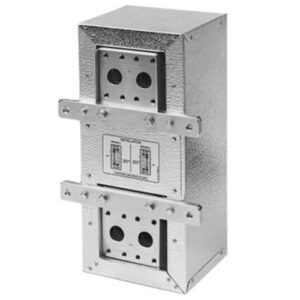
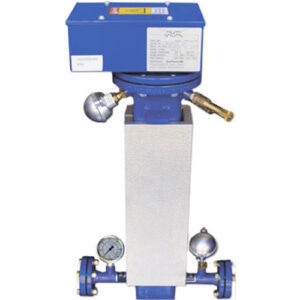
HEATPAC Electric Oil Heating Systems (Marine)
HEATPAC oil heating systems are designed for marine engine-room duty where oil temperature control directly impacts separation and overall equipment reliability. These solutions are used to heat mineral oils in booster systems and prior to centrifugal cleaning/separation—supporting stable viscosity, improved separation conditions, and consistent operation onboard.
Where HEATPAC Fits in Marine Oil Treatment
In typical lubrication oil treatment, oil is heated upstream of the separator to achieve an adequate cleaning process. A properly designed heating stage helps bring oil to separation temperature and maintain it under varying load and flow conditions.
Key Capabilities
- Electric heating for booster and separation systems: Automatic electric heating systems are designed to heat mineral oils used prior to centrifugal separation in ship engine rooms.
- Accurate temperature control: Instant-response electronic control can regulate outlet temperature precisely (e.g., ±1°C in certain HEATPAC EHS configurations), helping safeguard oil quality.
- Marine approvals: HEATPAC electric heating systems in this class are described as type-approved by major marine classification societies (e.g., ABS, BV, DNV, LR, etc.).
- Compact heat exchange options: HEATPAC CBM brazed plate heaters can be used for preheating fuel and lube oil prior to centrifugal separation and use thermal oil or hot water as heating media.
Energy Efficiency Option: Heat Recovery with CBM
For lube oil treatment systems, a brazed plate heat exchanger can recover heat from the separator outlet and reuse it to preheat incoming oil. Alfa Laval describes this approach as reducing the load on the preheater and cooling system, improving overall engine-room heat balance and lowering operating cost. Reported savings can be substantial (e.g., 60–90% reduction in preheating energy cost depending on surface area and duty conditions).
What to Provide for Correct Selection
To specify the right configuration, provide: oil type (fuel/lube), target flow rate, operating temperature range, viscosity profile, available heating media (if using CBM), available power (if using electric heating), and space/service-access constraints onboard.
Showing all 2 results